A New Frontier in Sustainable Energy: Solving the Bio-Tar Problem
In a significant development for sustainable energy and agriculture, researchers have engineered a novel process that effectively converts bio-tar, a highly toxic and problematic byproduct of biomass processing, into biochar, a valuable, carbon-sequestering soil amendment. This breakthrough not only solves a major environmental waste challenge but also dramatically improves the economic viability of biomass energy production, potentially unlocking a “promising energy source” for the future.
For decades, the efficient conversion of biomass—plant or animal matter used as fuel—has been hampered by the creation of bio-tar, a sticky, corrosive residue. By transforming this waste into a high-value product like biochar, scientists are paving the way for cleaner, more sustainable energy systems.
Understanding the Core Components: Bio-Tar vs. Biochar
While the names sound similar, bio-tar and biochar represent opposite ends of the sustainability spectrum. Understanding their roles is crucial to grasping the magnitude of this discovery.
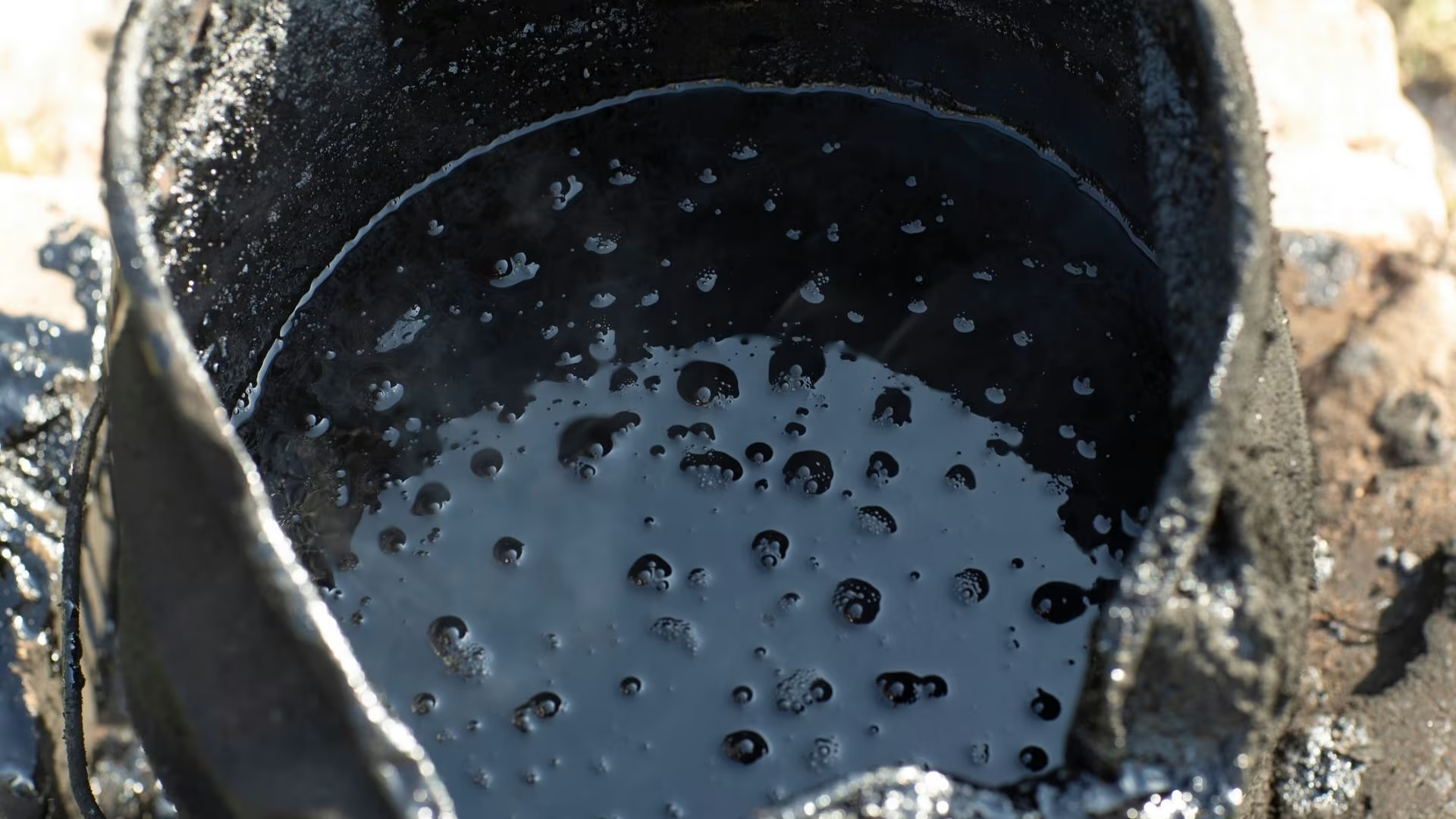
Bio-Tar: The Problematic Byproduct
Bio-tar is typically generated during pyrolysis, a thermal process that heats biomass (such as wood chips or agricultural waste) in the absence of oxygen to produce bio-oil, non-condensable gases, and solid char. Bio-tar is a complex mixture of organic compounds that condenses during the cooling phase. It is:
- Toxic and Corrosive: Difficult and expensive to dispose of safely.
- Inefficient: Its formation reduces the overall yield and quality of the desired bio-oil.
- A System Blocker: It gums up equipment, requiring frequent, costly maintenance and limiting the scalability of pyrolysis operations.
Biochar: The Next-Generation Resource
Biochar is essentially a highly porous, stable form of carbon produced by heating biomass in a process similar to charcoal production. When applied to soil, it offers immense environmental and agricultural benefits:
- Carbon Sequestration: Biochar locks carbon into the soil for hundreds, if not thousands, of years, making it a powerful tool in mitigating climate change.
- Soil Health: It improves water retention, nutrient cycling, and soil fertility.
- Waste Valorization: It turns agricultural waste into a valuable commodity.
The Science Behind the Conversion Breakthrough
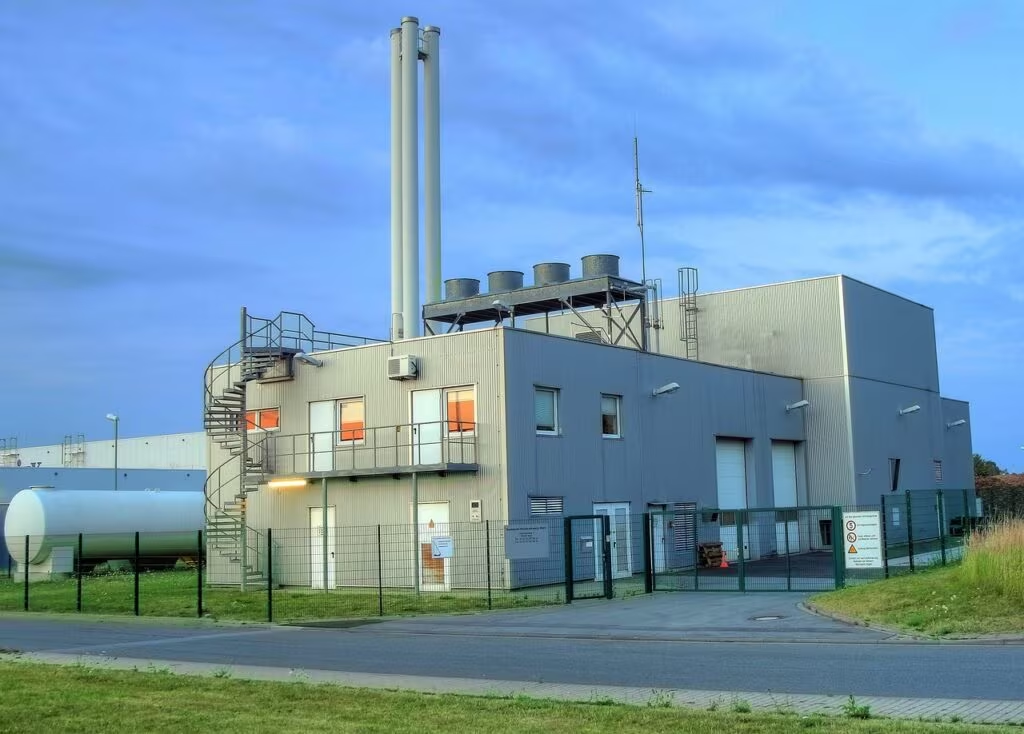
The research team focused on developing a method to chemically stabilize and restructure the toxic components of bio-tar into the highly stable carbon structure of biochar. While the specific details of the process are complex, the innovation lies in the efficient and cost-effective conversion of the problematic residue.
Previously, researchers often attempted to burn or gasify bio-tar, which is energy-intensive and still produces emissions. This new method represents a fundamental shift, treating the waste not as a disposal problem, but as a feedstock for a valuable product.
“This discovery is not just about cleaning up a waste stream; it’s about fundamentally changing the economics of sustainable energy production. It represents a new frontier,” stated one of the lead researchers involved in the project.
By successfully converting the bio-tar, the overall efficiency and sustainability profile of the biomass energy cycle are drastically improved. The process effectively closes the loop, ensuring that nearly all components of the original biomass feedstock are converted into useful, non-toxic products.
Implications for Sustainable Energy and Climate Action
This conversion technology is critical because it addresses the primary hurdle preventing biomass pyrolysis from scaling up into a major energy source.
1. Unlocking the Energy Source
Biomass is a renewable resource, and pyrolysis offers a way to create liquid fuels (bio-oil) that can replace fossil fuels. However, the costs associated with handling and disposing of bio-tar have made large-scale commercialization challenging. By creating a valuable co-product (biochar), the process becomes significantly more profitable and scalable, thus unlocking the full potential of biomass as a reliable, carbon-neutral energy source.
2. Enhancing Carbon Sequestration
Biochar is recognized globally as a robust method for long-term carbon removal. The increased availability of high-quality biochar, derived from a waste stream that previously required complex disposal, accelerates climate mitigation efforts. The benefits extend beyond energy:
- Agricultural Resilience: Farmers can utilize the biochar to improve poor soils, especially in regions facing drought or nutrient depletion.
- Waste Reduction: It provides a sustainable pathway for handling agricultural and forestry residues that would otherwise decompose and release greenhouse gases.

Key Takeaways
This groundbreaking research offers a dual solution for environmental and energy challenges, moving biomass conversion closer to commercial viability. The essential points for readers are:
- The Conversion: Researchers found a way to turn toxic bio-tar (a pyrolysis waste product) into valuable biochar (a soil amendment).
- Economic Impact: Valorizing the waste product significantly improves the profitability and scalability of biomass energy systems.
- Energy Potential: By solving the bio-tar problem, the full potential of biomass pyrolysis as a sustainable, renewable energy source is unlocked.
- Climate Benefit: The process increases the supply of biochar, enhancing global efforts in carbon sequestration and soil health improvement.
Conclusion: A Step Toward a Circular Bioeconomy
This discovery marks a pivotal moment in the development of a circular bioeconomy, where waste products are systematically reintegrated as valuable resources. The ability to efficiently convert bio-tar into biochar transforms a liability into an asset, providing a cleaner, more robust pathway for sustainable fuel production and agricultural enhancement. As the world seeks viable alternatives to fossil fuels, technologies that maximize resource efficiency and minimize waste, like this bio-tar conversion process, will be essential in achieving global climate and energy goals in the coming years.
Original author: Elijah McKee
Originally published: November 7, 2025
Editorial note: Our team reviewed and enhanced this coverage with AI-assisted tools and human editing to add helpful context while preserving verified facts and quotations from the original source.
We encourage you to consult the publisher above for the complete report and to reach out if you spot inaccuracies or compliance concerns.