The Reality of Seasonal Affective Disorder in New York City
As the days shorten, the temperatures drop, and the sun sets before 5:00 p.m., many New Yorkers experience a predictable dip in mood known colloquially as the “winter blues.” However, for a significant portion of the population, this seasonal shift triggers a more serious and debilitating condition: Seasonal Affective Disorder (SAD), a recognized form of major depressive disorder.
SAD is not merely feeling sad that summer is over; it is a clinical condition characterized by recurrent episodes of depression that coincide with specific seasons, typically starting in the late fall or early winter and remitting in the spring or summer. While SAD affects people globally, the experience can be particularly acute in dense urban environments like New York City, where tall buildings already limit natural light exposure, compounding the effects of shorter daylight hours.
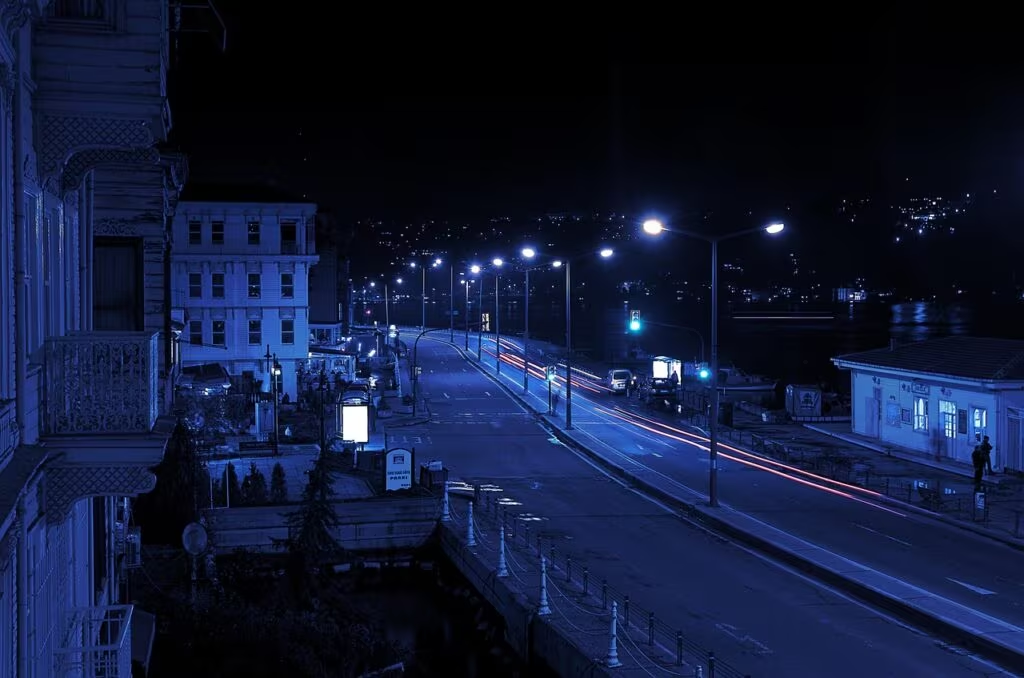
SAD vs. The Winter Blues: Knowing the Difference
It is crucial to distinguish between a temporary dip in mood and clinical SAD. Almost everyone feels slightly less energetic or motivated during the dark winter months. SAD, however, involves symptoms severe enough to significantly impair daily functioning, work performance, and relationships.
Key Symptoms of Winter-Pattern SAD
While symptoms mirror those of major depression, winter-pattern SAD often presents with specific characteristics, sometimes referred to as “atypical depression.”
| Symptom Category | General Depression | Winter-Pattern SAD (Atypical) |
|---|---|---|
| Appetite | Loss of appetite, weight loss | Increased appetite, craving carbohydrates, weight gain |
| Sleep | Insomnia, difficulty sleeping | Hypersomnia (oversleeping), difficulty staying awake |
| Energy | Low energy, fatigue | Severe fatigue, lethargy |
| Mood | Persistent sadness, hopelessness | Irritability, social withdrawal |
If these symptoms persist for two or more consecutive winters and significantly interfere with your life, it is time to consult a mental health professional for a formal diagnosis.
Understanding the Science Behind the Seasonal Shift
SAD is fundamentally a biological response to the lack of light. Experts point to three primary biological mechanisms disrupted by the reduced photoperiod (daylight hours):
1. Circadian Rhythm Disruption
The body’s internal clock, or circadian rhythm, is regulated by light. Reduced light exposure in winter throws this rhythm off balance, leading to feelings of being out of sync, tired, and lethargic.
2. Melatonin Overproduction
Melatonin, the hormone that regulates sleep, is produced in darkness. When winter days are shorter and darker, the body produces melatonin earlier and for longer periods, leading to excessive sleepiness and fatigue during the day.
3. Serotonin Imbalance
Sunlight helps regulate serotonin, a neurotransmitter linked to mood. Lower levels of sunlight can lead to lower serotonin levels, contributing directly to depressive symptoms.
In New York City, the problem is intensified. The city’s latitude already means short winter days, but the canyons of skyscrapers further reduce the amount of direct sunlight reaching street level, effectively making the days feel even shorter and darker for residents.
Expert-Recommended Strategies for Managing SAD
Managing SAD typically involves a combination of medical intervention and lifestyle adjustments. These strategies are backed by clinical research and are considered the gold standard for treatment.
1. Light Therapy (Phototherapy)
This is often the first line of defense. Light therapy involves sitting in front of a specialized light box that emits a very bright, full-spectrum light (typically 10,000 lux) for about 20 to 30 minutes each morning, shortly after waking up. The light must enter the eyes indirectly (not staring directly at the lamp) to suppress melatonin production and reset the circadian rhythm.

Key Considerations for Light Boxes:
- Must be 10,000 lux intensity.
- Should emit minimal UV light.
- Used consistently every morning.
2. Cognitive Behavioral Therapy (CBT)
CBT specifically adapted for SAD (CBT-SAD) has shown effectiveness comparable to light therapy. This involves identifying and changing negative thought patterns associated with the winter months and developing coping skills to manage the season proactively.
3. Vitamin D Supplementation
Since Vitamin D production relies heavily on sun exposure, levels often drop significantly during winter, especially in northern latitudes like NYC. While Vitamin D deficiency is not the sole cause of SAD, supplementing can help improve overall mood and health. It is essential to have blood levels checked by a doctor before starting high-dose supplementation.
4. Maximizing Natural Light and Exercise
Even minimal natural light exposure is beneficial. Experts recommend scheduling outdoor time, particularly in the morning, to maximize light intake. Furthermore, regular aerobic exercise—even a brisk walk—is a powerful mood elevator and helps regulate sleep patterns.
New York City presents unique hurdles for those managing SAD, but there are specific, practical ways to mitigate the environmental challenges:
- Commute Optimization: If possible, walk or bike part of your commute to get morning light exposure. If you take the subway, try to sit near a window or exit the station briefly to see the sky before heading to the office.
- Office Placement: If you have control, position your desk near a window. Even indirect light is better than none.
- Strategic Light Box Use: Use your light box immediately upon waking, ideally while having breakfast or checking emails, to ensure consistency before the demands of the day begin.
- Weekend Escapes: Plan occasional weekend trips to areas with more open sky or natural light, even if it’s just a large park outside the dense core of Manhattan.
- Embrace the Outdoors: Instead of hibernating, schedule outdoor activities. Winter sports, or simply walking through Central Park or Prospect Park during the brightest part of the day, can significantly boost mood.

Key Takeaways: When to Seek Professional Help
SAD is a treatable medical condition. While lifestyle changes are helpful, they are often insufficient for moderate to severe cases. If you suspect you have SAD, professional intervention is necessary.
- SAD is clinical depression: It requires diagnosis and treatment from a healthcare provider, not just willpower.
- Look for consistency: If symptoms recur reliably every winter, it strongly suggests SAD.
- Primary treatments: Light therapy, CBT-SAD, and sometimes antidepressant medication are the most effective treatments.
- Consult a professional: If your symptoms are interfering with your work, relationships, or overall quality of life, contact a psychiatrist or licensed therapist.
Disclaimer: This article is for informational purposes only and is not a substitute for professional medical advice, diagnosis, or treatment. If you are experiencing symptoms of depression, please consult a qualified healthcare provider immediately.
Original author: https://gothamist.com/staff/catalina-gonella
Originally published: November 9, 2025
Editorial note: Our team reviewed and enhanced this coverage with AI-assisted tools and human editing to add helpful context while preserving verified facts and quotations from the original source.
We encourage you to consult the publisher above for the complete report and to reach out if you spot inaccuracies or compliance concerns.