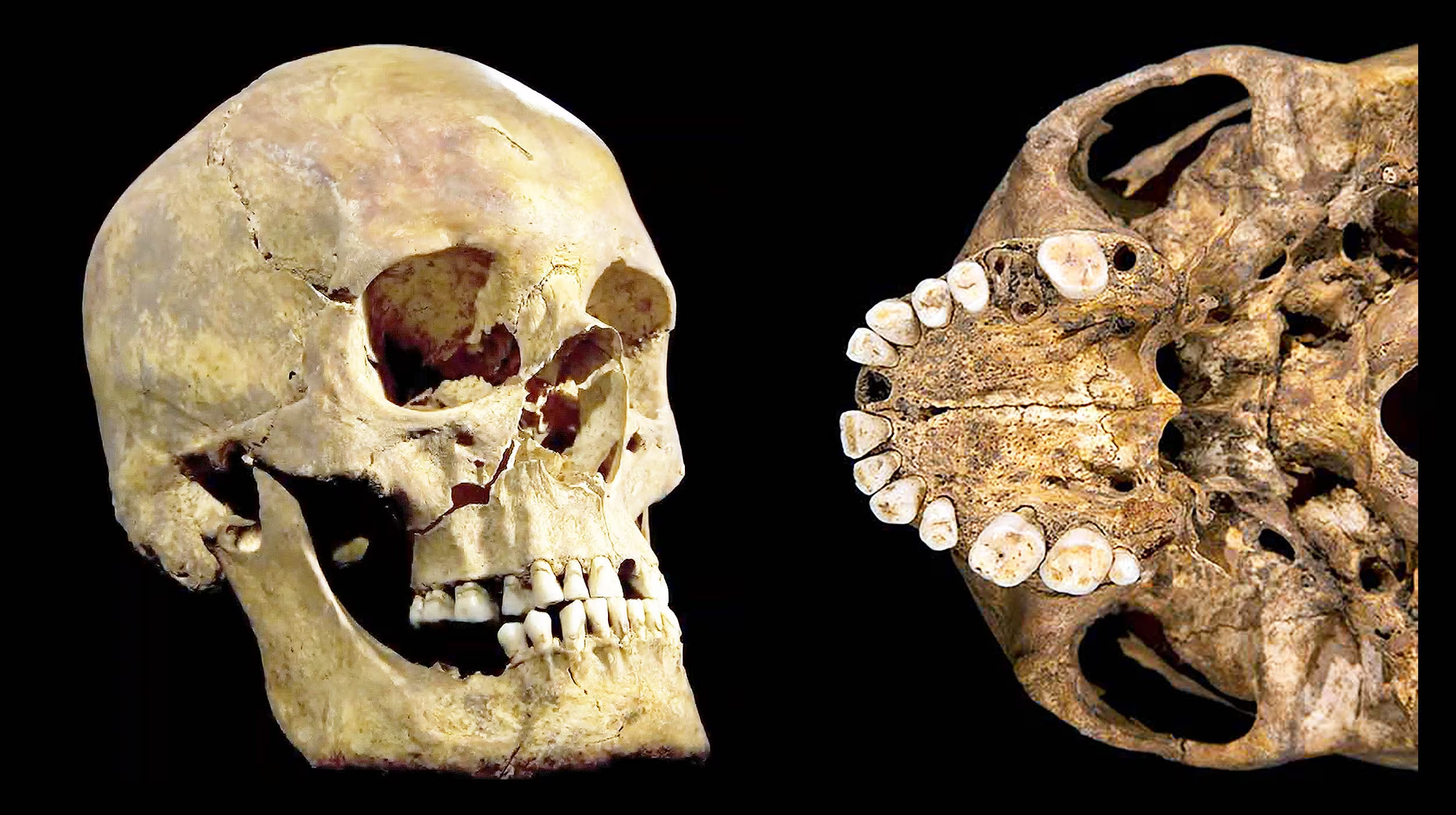
A Royal Time Capsule: Analyzing King Richard III’s 1485 Microbiome
The dramatic discovery of King Richard III’s remains beneath a Leicester parking lot in 2012 provided archaeologists with a wealth of historical and genetic data. Now, a groundbreaking study utilizing advanced DNA sequencing techniques on the King’s calcified dental plaque has offered an unprecedented look into his health, diet, and the microbial world of a high-status medieval monarch just before his death in 1485.
This research, conducted by an international team of paleomicrobiologists and geneticists, marks the first successful reconstruction of the oral microbiome of a known royal figure. The findings paint a vivid picture of the health consequences associated with the rich, sugar-laden diet enjoyed by the English elite during the late Middle Ages.
Unlocking Health Secrets from Dental Calculus
Dental plaque, or calculus, is a hardened, fossilized record of the bacteria present in the mouth at the time of an individual’s life. Because it calcifies, it preserves microbial DNA for centuries, acting as a unique biological time capsule. By sequencing the DNA extracted from the calculus on Richard III’s teeth, researchers were able to identify the specific species of bacteria that dominated his oral ecosystem.
Evidence of Severe Periodontitis
The most striking discovery was the presence of bacteria strongly associated with severe gum disease, or periodontitis. This confirms that despite his royal status and access to the best available care, Richard III suffered from significant oral health issues. The specific pathogens identified include:
- Porphyromonas gingivalis: A key indicator of advanced chronic periodontitis, leading to gum inflammation and bone loss.
- Treponema denticola: Another species strongly linked to destructive gum disease.
- Tannerella forsythia: A bacterium often found in the most severe cases of periodontitis.
These findings suggest the King likely experienced chronic pain, bleeding gums, and potentially tooth loss in the years leading up to the Battle of Bosworth Field.
The Signature of a High-Status Diet
Beyond disease-causing agents, the analysis also revealed microbial species that reflect the King’s diet. Medieval royalty consumed large quantities of meat, fine wine, and, crucially, refined carbohydrates and sugar—luxuries unavailable to the common populace. This diet left a clear signature in his microbiome:
- Bifidobacterium dentium: This bacterium thrives on sugars and refined carbohydrates. Its presence is consistent with historical records indicating that Richard III, like other high-ranking nobles, enjoyed a diet rich in sweet foods and potentially high-sugar beverages, which accelerated dental decay.
Interestingly, the analysis did not detect DNA from major medieval pathogens such as Yersinia pestis (the plague), Mycobacterium leprae (leprosy), or Mycobacterium tuberculosis (TB), suggesting the King was not suffering from these widespread infectious diseases at the time of his death.
Paleomicrobiology: A New Window into History
This study is significant not just for understanding Richard III, but for the field of paleomicrobiology as a whole. The ability to reconstruct the ancient human microbiome—the vast community of microorganisms inhabiting the body—provides historians and scientists with a powerful tool to understand the evolution of human health and disease.
Prior to the widespread use of sugar and refined flours, ancient microbiomes typically contained a more diverse and healthier balance of bacteria. The findings from Richard III’s teeth demonstrate how quickly the introduction of high-sugar, high-status diets began to shift the human oral ecosystem toward disease-promoting states, a trend that continues globally today.
“The dental calculus acts as a stable matrix, protecting the DNA of the bacteria that lived in the mouth centuries ago,” explained one of the researchers involved in the study. “This allows us to move beyond skeletal evidence of disease and directly analyze the microbial agents responsible for his suffering.”
This technique offers a unique advantage over traditional methods, which often rely solely on visible damage to the bones or teeth. By looking at the DNA, researchers can identify the specific biological mechanisms of disease that were active in the individual’s final years.
Key Takeaways for Historical Health
This analysis of King Richard III’s oral microbiome provides crucial insights into medieval elite health:
- Dietary Consequences: The high-status diet, rich in sugar and refined foods, directly contributed to severe oral disease, evidenced by the presence of Bifidobacterium dentium and periodontitis pathogens.
- Disease Prevalence: Richard III suffered from advanced periodontitis, confirming that dental disease was a major health concern even for the wealthiest individuals in the 15th century.
- Technological Advancement: The study validates dental calculus DNA sequencing as a highly reliable method for reconstructing the health status and lifestyle of historical figures.
- Absence of Major Plagues: The King appears to have been free of the most common and devastating infectious diseases of the era, such as tuberculosis and the plague, at the time of his death.
Conclusion
The scientific analysis of King Richard III’s dental plaque transforms him from a historical figure known primarily for political intrigue and battle into a biological case study. It confirms that the privileges of royalty—including access to rich, sugary foods—came with significant health costs. The study not only satisfies the public curiosity surrounding the last Plantagenet king but also significantly advances the field of paleomicrobiology, offering a powerful new methodology for exploring the daily lives and health challenges of people who lived centuries ago.
Originally published: October 23, 2025
Editorial note: Our team reviewed and enhanced this coverage with AI-assisted tools and human editing to add helpful context while preserving verified facts and quotations from the original source.
We encourage you to consult the publisher above for the complete report and to reach out if you spot inaccuracies or compliance concerns.