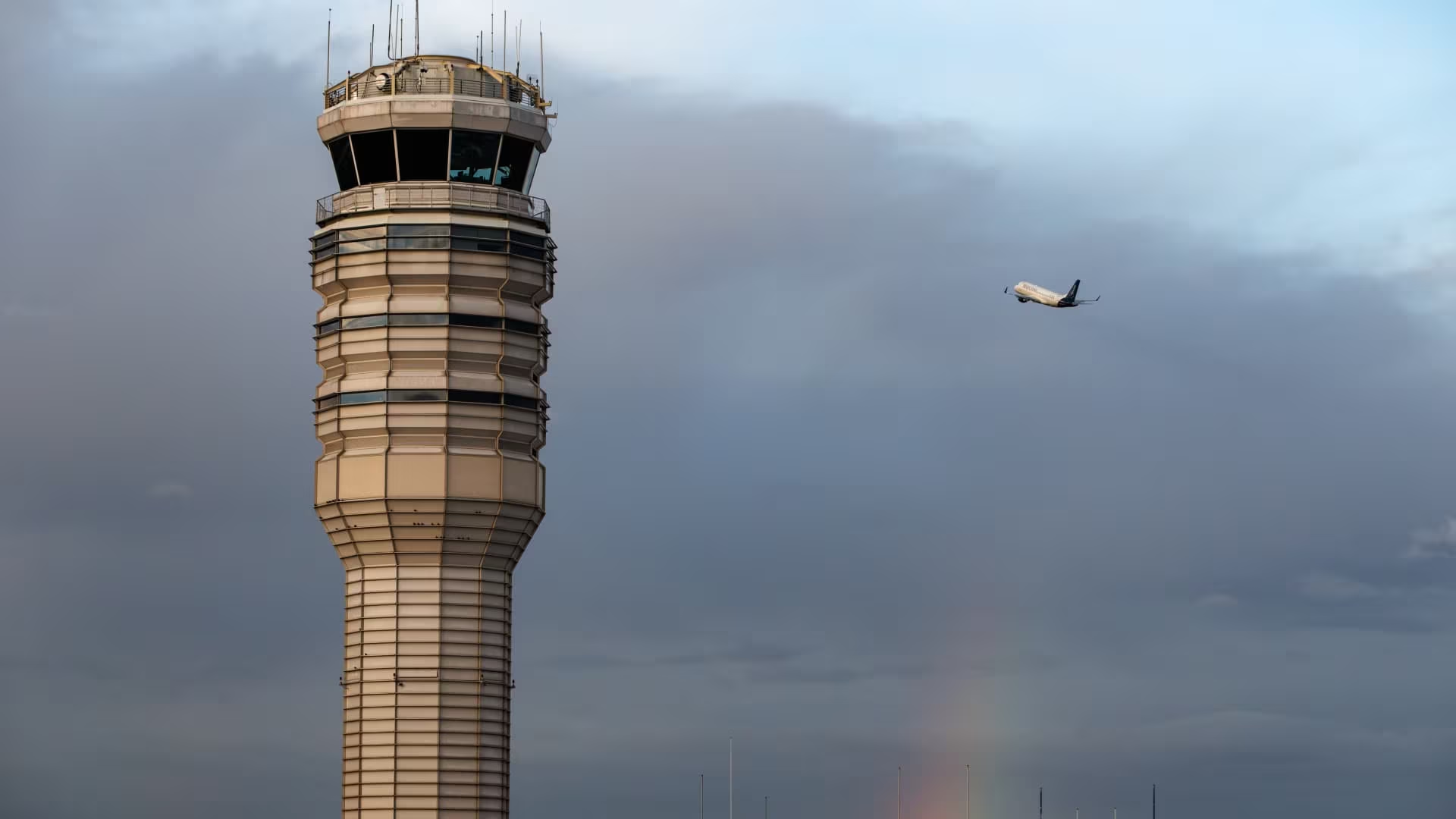
Air Travel Crisis Deepens: FAA Staffing Shortages Force Major Airline Cuts
The ongoing government shutdown is pushing the U.S. air travel system toward a critical breaking point. If Congress fails to reach a resolution soon, U.S. airlines anticipate having to cut hundreds more flights next week, compounding the delays and operational strain already plaguing the system.
This escalating crisis is directly tied to the Federal Aviation Administration (FAA), where the prolonged lack of funding has severely impacted essential personnel and safety oversight functions. The situation is rapidly transitioning from a logistical headache to a fundamental challenge to the stability and safety of the national airspace.
The Core Problem: Fatigue and Furloughs at the FAA
The primary driver of the impending flight cuts is the severe strain placed on the FAA’s operational staff, particularly air traffic controllers (ATCs). While ATCs are deemed essential personnel and mandated to work without pay during a shutdown, the financial and psychological stress of working indefinitely without compensation is leading to dangerous levels of fatigue and absenteeism.

The Erosion of Safety Oversight
Beyond the control towers, the shutdown has furloughed thousands of non-essential FAA employees, including those critical for maintaining the safety infrastructure of the aviation system. This includes:
- Safety Inspectors: Personnel responsible for certifying new aircraft, overseeing maintenance operations, and conducting routine audits of airline procedures are largely furloughed. This backlog means airlines cannot complete necessary certifications or bring new aircraft online, directly limiting their operational capacity.
- Technical Staff: Employees who maintain and repair crucial navigation equipment, radar systems, and communication infrastructure are either furloughed or working under reduced capacity, increasing the risk of equipment failure.
- Training and Certification: New controllers cannot be trained, and existing staff cannot complete mandatory refresher courses or certifications, further restricting the ability to backfill fatigued positions.
This lack of comprehensive oversight means that even if airlines wanted to operate at full capacity, the FAA’s ability to guarantee the necessary safety checks and certifications is severely compromised.
Why Airlines Must Cut Flights
Airlines are not cutting flights arbitrarily; they are responding to mandatory operational constraints imposed by the FAA’s diminished capacity and the inherent risks associated with controller fatigue.
Industry experts note that the decision to proactively reduce schedules is a necessary safety measure. When ATCs are fatigued, the mandatory separation distances between aircraft must often be increased to maintain safety margins. This reduces the overall capacity of the airspace, particularly in high-volume hubs like New York (JFK, LaGuardia), Chicago O’Hare, and Atlanta Hartsfield-Jackson.
“The airlines are being forced to choose between maintaining safety standards and maintaining their schedules. Given the severe staffing shortages and the documented increase in controller fatigue, schedule reductions are the only responsible course of action to prevent a major incident,” stated a representative from a major industry trade group.
The operational impact is compounded by the fact that many furloughed safety personnel, upon returning to work, require mandatory time off or refresher training before they can resume critical duties, meaning the operational recovery will lag significantly behind the political resolution.

Precedent and Escalation
Previous government shutdowns have demonstrated this pattern of escalating disruption. While the initial weeks see minimal impact, the strain becomes exponential as the shutdown continues. The current situation, occurring in 2025, follows historical precedents where air travel was severely hampered, leading to widespread delays and economic losses for both the carriers and the broader economy.
Key Indicators of Worsening Conditions:
- Increased Delay Times: Delays are lengthening, particularly during peak travel windows, as controllers manage fewer aircraft per hour.
- Hub Congestion: Major metropolitan airports, which rely on complex, high-density sequencing, are the first to experience mandatory ground stops and slot restrictions.
- Maintenance Backlogs: The inability to process airworthiness directives and safety certifications means aircraft may be grounded longer than necessary, reducing the available fleet.
What Travelers Need to Know Now
For passengers planning air travel in the coming week, proactive preparation is essential. The focus of the cancellations is expected to be on high-frequency domestic routes and flights operating out of the busiest hubs.
Practical Advice for Air Travelers
- Check Status Constantly: Do not rely on initial booking confirmations. Check the airline’s official app or website 24 to 48 hours before departure for the latest status.
- Travel Insurance: Review your travel insurance policy regarding cancellations due to government action or weather. Many standard policies exclude government shutdowns, but some premium policies may offer coverage.
- Rebooking Options: If your flight is canceled, contact the airline immediately. Due to the systemic nature of the cuts, alternative flights may be extremely limited. Consider alternative modes of transport for shorter distances.
- Avoid Connecting Flights: If possible, book direct flights to minimize the risk of being stranded during a connection at a severely affected hub.
| Operational Impact | Current Status | Expected Next Week |
|---|---|---|
| Air Traffic Controller Fatigue | High | Critical |
| Safety Inspection Capacity | Reduced | Severely Limited |
| Flight Cancellation Volume | Moderate (Daily) | High (Systemic) |
Key Takeaways: The Economic and Safety Implications
The continuation of the shutdown threatens not only the convenience of air travel but also the underlying safety mechanisms of the U.S. aviation system. The economic fallout for airlines, which are forced to absorb the costs of cancellations and rebooking while losing revenue, is substantial.
- Safety First: The primary concern driving the flight cuts is the need to maintain safe operational margins despite severe controller fatigue and lack of safety oversight.
- Worsening Conditions: The situation is expected to deteriorate significantly next week, moving beyond localized delays to widespread, systemic cancellations.
- Hub Focus: Major metropolitan airports will bear the brunt of the schedule reductions.
- Recovery Lag: Even if the shutdown ends immediately, the FAA requires time to bring furloughed inspectors back online and allow ATCs to recover from mandatory overtime, meaning travel disruption will persist for days or weeks after a political resolution.
Conclusion: A Political Solution Required
This escalating crisis in the nation’s air travel infrastructure serves as a stark reminder of the essential, often unseen, role of federal agencies like the FAA. The hundreds of potential flight cancellations are not merely an inconvenience; they are a direct consequence of a political impasse that has compromised the operational integrity of a vital national system. Until funding is restored, the safety and efficiency of air travel will continue to decline, forcing airlines to prioritize public safety over their bottom lines by grounding flights.
Original author: Leslie Josephs
Originally published: November 8, 2025
Editorial note: Our team reviewed and enhanced this coverage with AI-assisted tools and human editing to add helpful context while preserving verified facts and quotations from the original source.
We encourage you to consult the publisher above for the complete report and to reach out if you spot inaccuracies or compliance concerns.