The Great Breakfast Debate: Which Toast Wins the Nutritional Crown?
Few breakfast staples spark as much debate—or generate as many social media posts—as avocado toast and peanut butter toast. One is the icon of modern, healthy brunch; the other, a timeless, protein-packed classic. But when you strip away the trends and nostalgia, which option truly offers superior nutrition?
For readers seeking a definitive answer, the reality is nuanced: neither is universally healthier. The optimal choice depends entirely on your specific dietary goals, whether you prioritize high protein for satiety, or micronutrient density and heart-healthy fats.
This analysis breaks down the core nutritional differences, allowing you to choose the best toast to fuel your day, based on expert consensus on fats, proteins, and essential vitamins.
Nutritional Breakdown: A Head-to-Head Comparison
To accurately compare these two popular options, we must standardize the serving size. We will compare one slice of 100% whole-grain toast topped with a standard serving of each spread: two tablespoons (32g) of natural peanut butter versus one-quarter of a medium avocado (approx. 30g).
Key Nutritional Metrics (Approximate Values)
| Metric | Avocado Toast (1/4 Avocado) | Peanut Butter Toast (2 Tbsp Natural PB) |
|---|---|---|
| Calories | 180–220 | 250–300 |
| Total Fat | 14–18 g | 16 g |
| Protein | 5–7 g | 10–12 g |
| Fiber | 7–9 g | 4–6 g |
| Saturated Fat | 2 g | 3 g |
| Monounsaturated Fat | 10–12 g | 8 g |
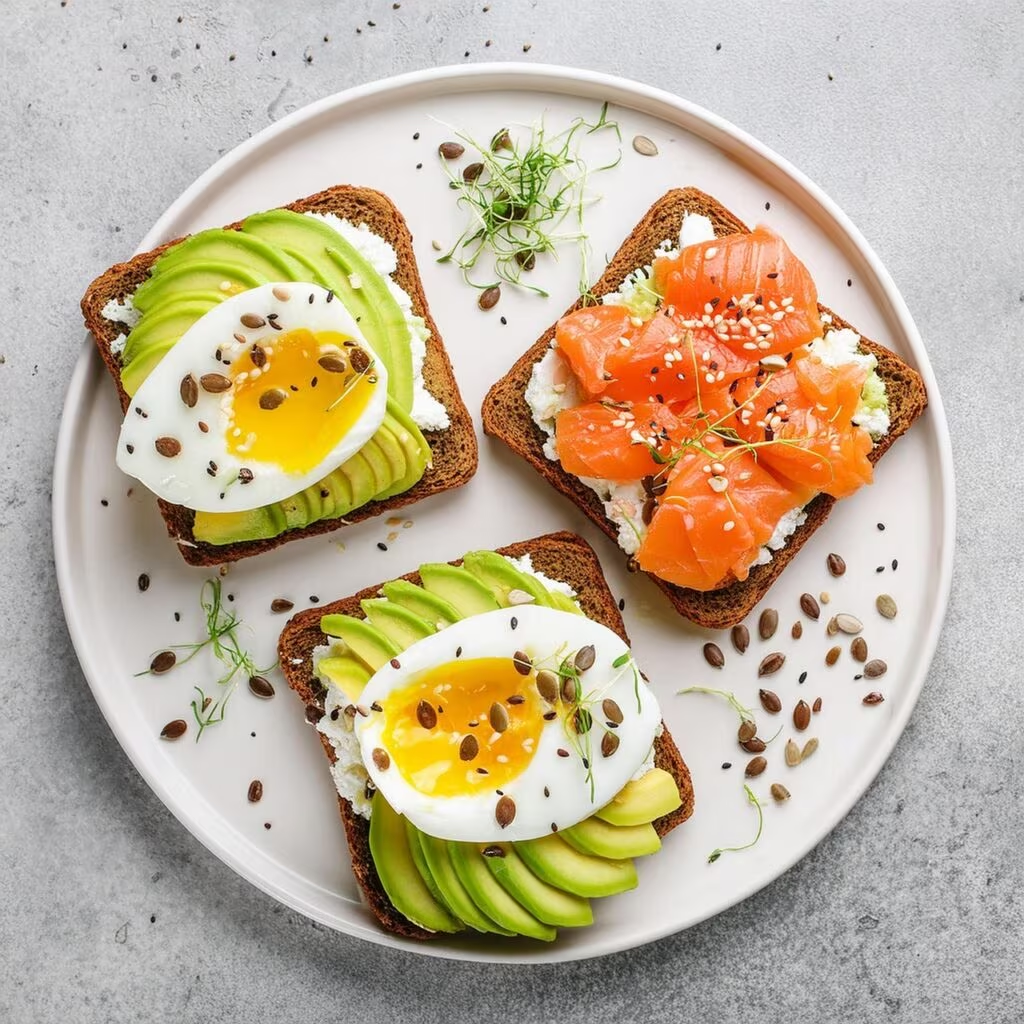
Avocado Toast: The Micronutrient Powerhouse
Avocado toast is often lauded for its fat profile, which is predominantly monounsaturated fat. This type of fat is known to help lower LDL (bad) cholesterol levels, supporting cardiovascular health. Furthermore, avocados are exceptionally rich in micronutrients:
- Vitamin K: Essential for blood clotting and bone health.
- Folate: Critical for cell division and highly important during pregnancy.
- Potassium: Contains more potassium than a banana, aiding in blood pressure regulation.
- Fiber: Provides a significant amount of dietary fiber, promoting digestive regularity and satiety.
Peanut Butter Toast: The Protein Champion
Peanut butter toast shines when it comes to protein. With nearly double the protein of a standard avocado toast serving, it is a superior choice for sustained energy and muscle repair. This higher protein content translates directly to greater satiety, making it an excellent post-workout snack or a breakfast designed to keep you full until lunch.
Peanut butter also offers a strong profile of essential nutrients:
- Niacin (Vitamin B3): Important for energy metabolism.
- Magnesium: Crucial for muscle and nerve function.
- Phosphorus: Key for bone structure and energy production.
Beyond the Basics: Fat Quality and Satiety
While both options provide healthy fats, the type of fat and the overall macronutrient balance drive the decision.
Understanding Fat Quality
Avocados are dominated by oleic acid, a beneficial monounsaturated fat also found in olive oil. This is a key reason why avocado toast is often recommended by dietitians for heart health.
Peanut butter contains a mix of monounsaturated and polyunsaturated fats (including some omega-6 fatty acids). While healthy, the fat profile of peanut butter is often accompanied by higher saturated fat and, critically, potential additives.
The Role of Protein and Satiety
If your primary goal is weight management or sustained energy, the protein advantage of peanut butter is significant. Protein takes longer to digest than fat or carbohydrates, leading to a higher satiety index. This means you are less likely to snack between meals.
However, the high fiber content in avocado toast (especially when paired with whole-grain bread) also contributes significantly to fullness, balancing out the lower protein count.
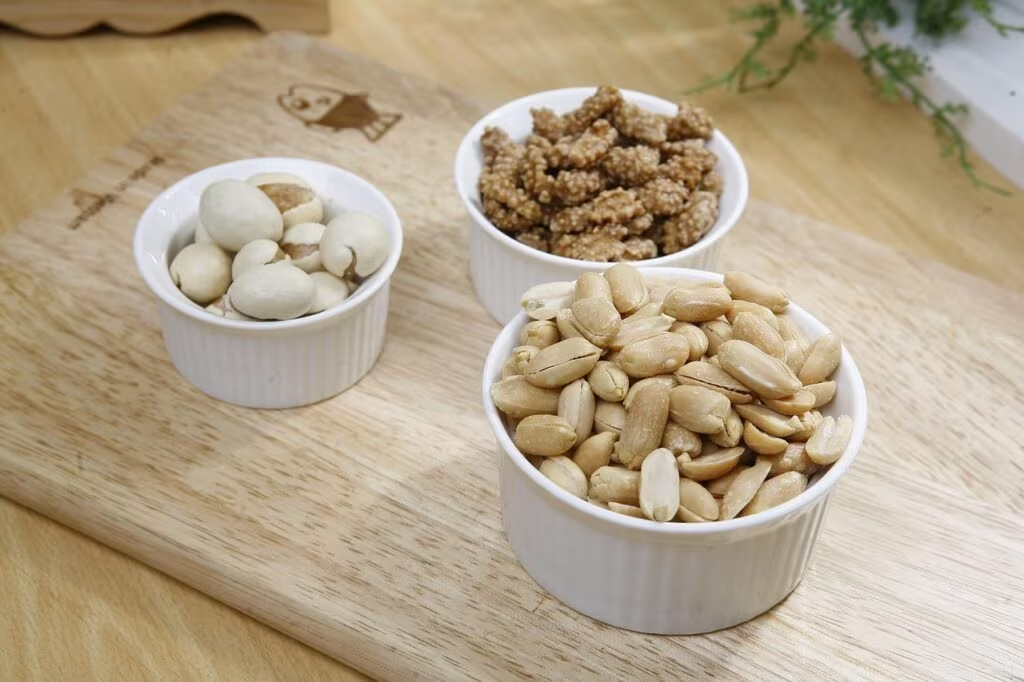
The Critical Variable: How You Build Your Toast
The nutritional value of both toasts can be drastically altered by the ingredients you choose. The difference between a healthy meal and a calorie bomb often lies in the details.
1. The Bread Base
The foundation is paramount. Opting for refined white bread negates many of the health benefits of the toppings. Always choose:
- 100% Whole Wheat or Whole Grain: Provides complex carbohydrates, significantly more fiber, and B vitamins.
- Sprouted Grain Bread: Often easier to digest and higher in protein and fiber.
2. Peanut Butter Additives
Conventional peanut butter often contains high levels of added sugar, hydrogenated oils (trans fats), and sodium. These additives can quickly turn a healthy snack into a less desirable option. When purchasing peanut butter, look for labels that list only peanuts and salt (or just peanuts).
3. Avocado Portion Control
While avocado fat is healthy, it is calorie-dense. A full half or even a whole avocado on toast can easily push the calorie count past 400–500 calories for a single slice. Sticking to the recommended quarter-avocado serving size is crucial for calorie management.
4. Flavor Enhancements
- Avocado Toast: Healthy additions include a squeeze of lemon juice, red pepper flakes, everything bagel seasoning, or a sprinkle of hemp seeds for extra protein.
- Peanut Butter Toast: Avoid high-sugar jams or honey. Instead, top with sliced bananas, chia seeds, or a light dusting of cinnamon.
Which Toast is Right for Your Goals?
The choice between avocado and peanut butter toast should align with your personal health objectives.
Choose Avocado Toast If You Are:
- Focusing on Heart Health: The high concentration of monounsaturated fats is excellent for cholesterol management.
- Seeking High Micronutrient Density: Avocados deliver superior amounts of Vitamins K, E, and potassium.
- Prioritizing Fiber Intake: Avocado toast generally offers more fiber per serving, aiding digestion.
Choose Peanut Butter Toast If You Are:
- Aiming for High Protein Intake: Ideal for athletes, those building muscle, or individuals needing serious satiety.
- Managing Blood Sugar: The combination of protein and fat helps slow the absorption of carbohydrates, leading to a more stable blood sugar response.
- Looking for a Lower Calorie Option (with careful portioning): While the standard serving is higher in calories, a single tablespoon of PB (around 125 calories) can be a quick, protein-rich snack.
Key Takeaways for Your Next Meal
Both avocado toast and peanut butter toast offer valuable nutritional benefits, but they serve different purposes. Here are the essential points to remember when making your choice:
- Protein Wins: Peanut butter toast provides significantly more protein (nearly double) than avocado toast, making it better for muscle building and long-lasting fullness.
- Fat Quality Wins: Avocado toast provides a higher concentration of beneficial monounsaturated fats, which are superior for cardiovascular health.
- Micronutrient Density: Avocado toast is richer in key vitamins and minerals like potassium, Vitamin K, and folate.
- Read Labels: Always choose natural peanut butter (peanuts and salt only) and 100% whole-grain bread to maximize health benefits and minimize added sugars and refined carbohydrates.
- Portion Control: Be mindful of avocado portions (stick to 1/4 medium avocado) and peanut butter serving sizes (2 tablespoons) to manage overall calorie intake.
Conclusion
When comparing avocado toast and peanut butter toast, there is no single ‘healthiest’ winner. Avocado toast is the champion of micronutrients and heart-healthy fats, while peanut butter toast is the clear winner for protein and sustained energy. By understanding your personal nutritional needs—whether it’s boosting your protein intake or increasing your consumption of monounsaturated fats—you can confidently select the toast that best supports your healthy lifestyle.
Original author: https://www.facebook.com/EatingWell/
Originally published: November 10, 2025
Editorial note: Our team reviewed and enhanced this coverage with AI-assisted tools and human editing to add helpful context while preserving verified facts and quotations from the original source.
We encourage you to consult the publisher above for the complete report and to reach out if you spot inaccuracies or compliance concerns.